
East Africa’s bustling streets, once synonymous with the ubiquitous petrol-powered boda-boda, are now humming with a new, quieter energy. The shift isn't just a whisper; it's a powerful surge towards electric mobility, driven by visionary local brands that are rapidly electrifying one of the continent's most vital transport sectors. This isn't just about cleaner air; it's about empowering communities, driving economic growth, and firmly positioning East Africa at the forefront of sustainable innovation.
We shine a spotlight on the top five brands leading this electrifying transformation:
Roam (Kenya 🇰🇪): Engineering for African Roads
Formerly known as Opibus, Roam stands as a testament to Kenyan ingenuity. This Nairobi-based firm isn't just importing; they're designing, engineering, and assembling electric motorbikes tailored precisely for the continent's unique terrain and demanding usage.
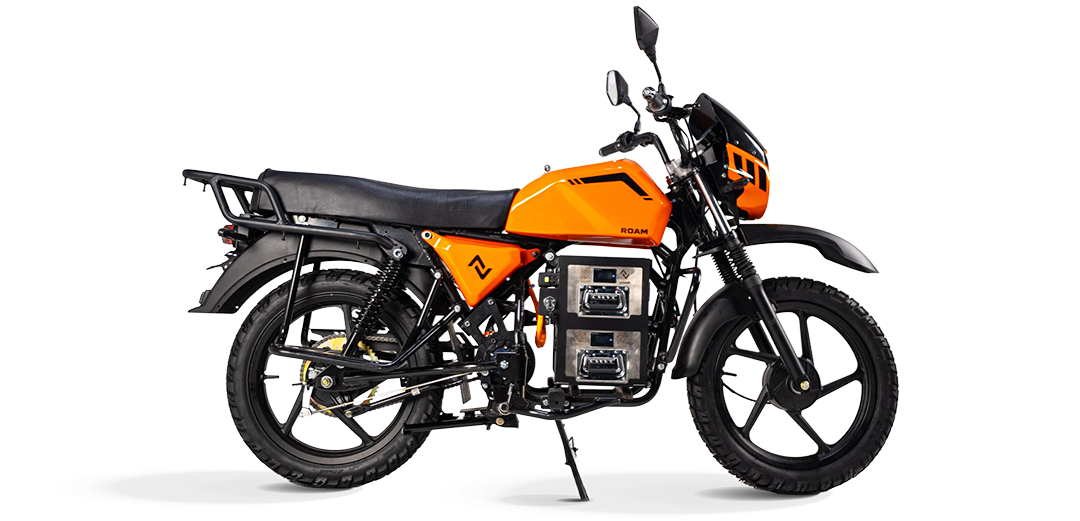
Image by Roam
Their flagship model, the Roam Air, is fast becoming a favorite among boda-boda operators for its rugged durability and efficiency. Roam's emphasis on local manufacturing and innovative battery-swapping technology highlights a commitment to sustainable, accessible, and truly African-engineered transport solutions.
2. Ampersand.ai (Rwanda 🇷🇼 & Kenya 🇰🇪): The Power of the Swap
From Rwanda's forward-thinking capital, Kigali, Ampersand.ai has emerged as a powerhouse in the EV motorbike space, now expanding its footprint into Kenya. They've cracked the code for widespread adoption by pioneering comprehensive battery-swapping networks.
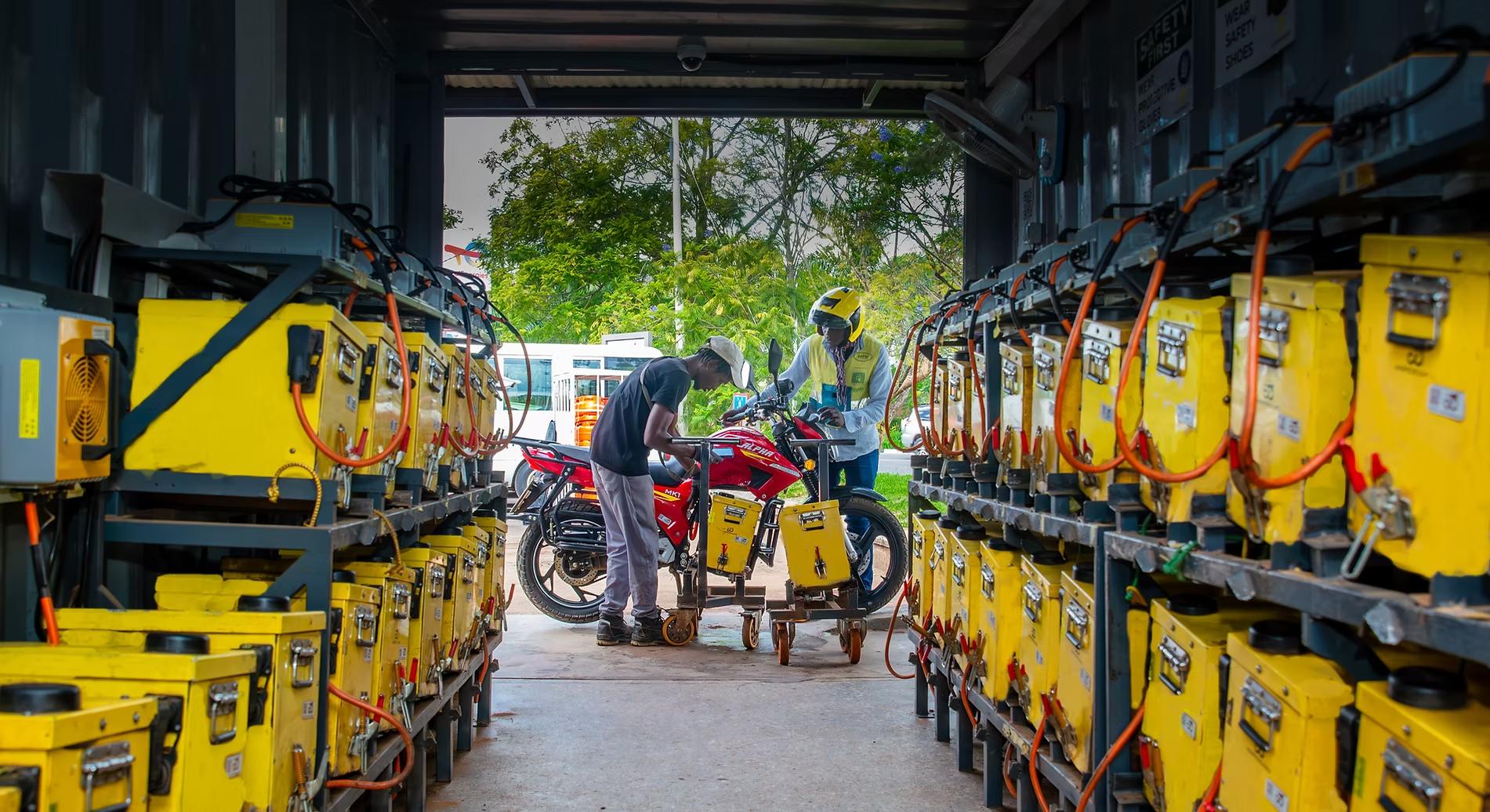 Image by Ampersand
This strategic move tackles range anxiety head-on, offering riders quick, convenient, and affordable energy refills. By directly addressing the high operational costs and environmental impact of petrol bikes, Ampersand.ai is empowering thousands of drivers with cleaner, more profitable livelihoods, paving the way for Africa's largest network of sustainable EV transport.
3. Spiro (Uganda 🇺🇬, Kenya 🇰🇪 & Rwanda 🇷🇼): Accelerating the Transition

Image by Techpoint
With a significant presence that began in Uganda and is rapidly expanding across Kenya and Rwanda, Spiro (born from the strong foundations of Bodawerk and Mazi Mobility) is a major force in East Africa’s electric mobility revolution. Spiro’s ambition is clear: to convert millions of petrol motorbikes into electric, dramatically cutting down emissions and fuel expenses for operators. Their rapidly growing network of battery swap stations provides the essential infrastructure to support this ambitious, continent-wide transition, proving that sustainable transport is not just possible, but scalable.
4. Oasis Super E-Bike Voltix (Tanzania): More Distance, More Income
While the electric mobility revolution sweeps across East Africa, Tanzania is also witnessing a crucial local surge, driven by companies committed to solving the daily economic challenges faced by millions of commuters and commercial riders. At the heart of this movement is the Oasis Super E-Bike Voltix (or the e-mobility initiative under the Oasis Group's Payless Energy Limited), a local solution designed with a powerful promise of powering locals with more distance and more income.
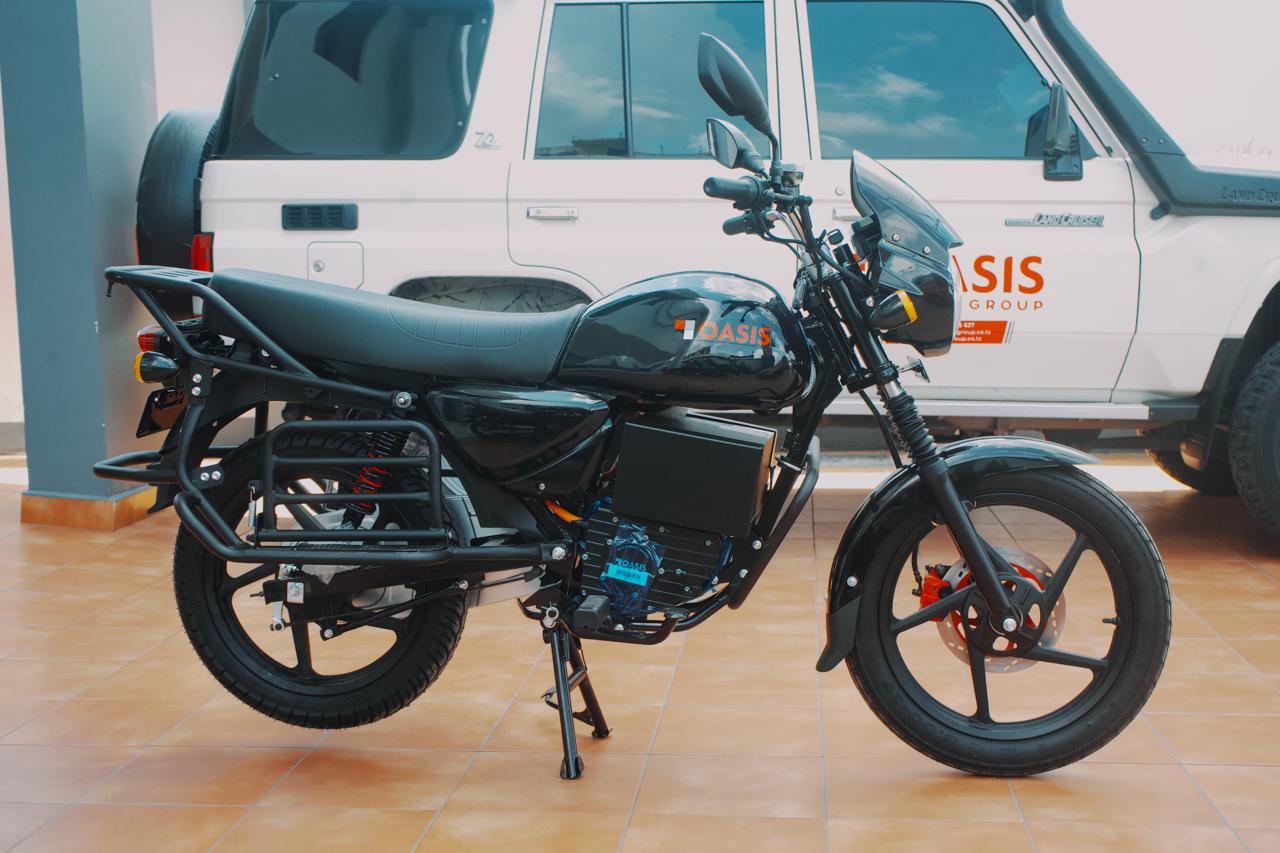 Image by Oasis
This story is not just about environmental sustainability; it’s a hard-nosed economic calculation that is reshaping personal finance for Tanzanian entrepreneurs.
For East Africa’s millions of moto-taxi operators and logistics riders, the primary barrier to income is the relentless cost of fuel and maintenance. The Oasis Super E-Bike Voltix directly tackles this pain point through superior efficiency and engineering.
5. Zembo (Uganda 🇺🇬): Making EV Accessible
In Uganda, Zembo is electrifying last-mile transport through a deeply community-focused approach. They've perfected a lease-to-own model that makes electric motorbikes accessible to boda-boda drivers who might otherwise be priced out of the EV market.
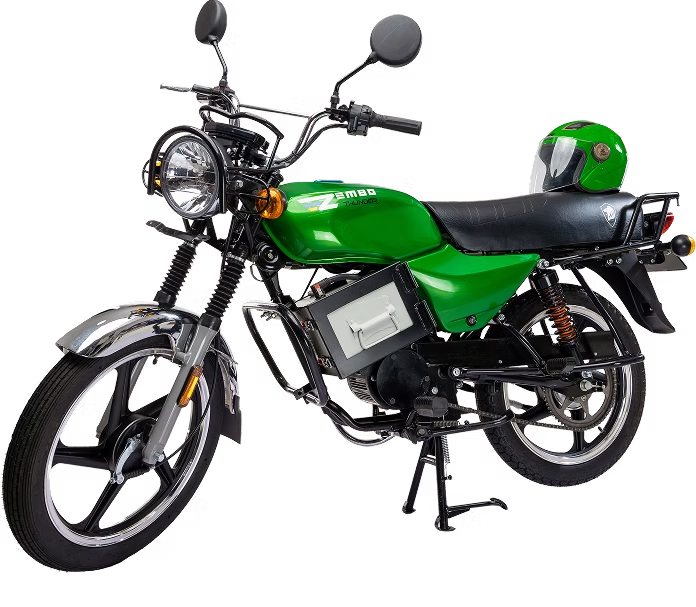
Image by Zembo
By removing upfront cost barriers and providing robust charging infrastructure within and around Kampala, Zembo is enabling riders to switch to cleaner, more financially viable transport. Their model is a powerful example of how inclusive business strategies can drive environmental and economic empowerment simultaneously.
Africa's Electric Future: A Global Blueprint
These four brands are more than just manufacturers; they are architects of a new, greener future for East Africa. Their collective efforts are reducing urban pollution, lowering operational costs for countless entrepreneurs, and showcasing Africa's unique capacity for developing relevant, impactful, and sustainable solutions.
As these companies continue to expand and innovate, they are not only transforming East Africa's transport sector but are also providing a powerful blueprint for other emerging markets worldwide. The message is clear: Africa is not just adopting the green economy; it's actively driving it, one electric motorbike at a time.